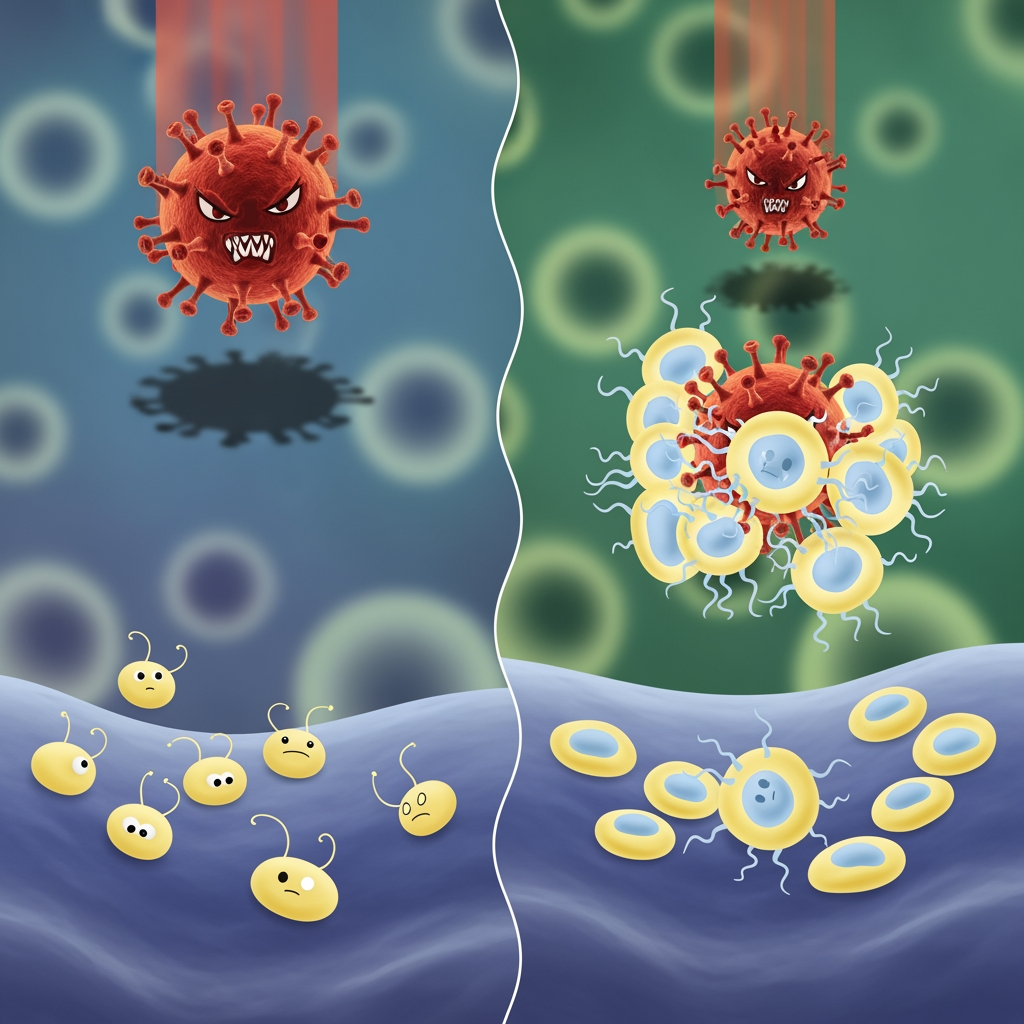
Vaccines protect against diseases you've never had. They prime your immune system to recognize and fight specific threats before you encounter them. The process exploits how immune memory naturally works.
The Natural Process
When pathogens invade, your immune system identifies unique features—antigens—on their surface. Special cells create antibodies that target these antigens. After infection clears, memory cells remain, ready to respond faster next time.
What Vaccines Provide
Vaccines give your immune system a preview of antigens without causing disease. This might be weakened pathogens, killed pathogens, pieces of pathogens, or even just genetic instructions to make pieces. Your immune system reacts as if to real infection.
Building Memory
Your body produces antibodies and memory cells just as it would for actual infection. When you later encounter the real pathogen, these prepared defenses respond immediately, often preventing illness entirely or reducing severity.
Different Vaccine Types
Live attenuated vaccines use weakened but living pathogens. Inactivated vaccines use killed pathogens. Subunit vaccines use only specific proteins. mRNA vaccines provide genetic instructions for cells to make antigens temporarily.
Why Multiple Doses
Some vaccines require boosters to generate robust immunity. Initial doses prime the immune system; subsequent doses strengthen the response and create longer-lasting memory. This mimics how natural exposure often requires multiple encounters for strong immunity.
This article was generated by AI to provide informational content.