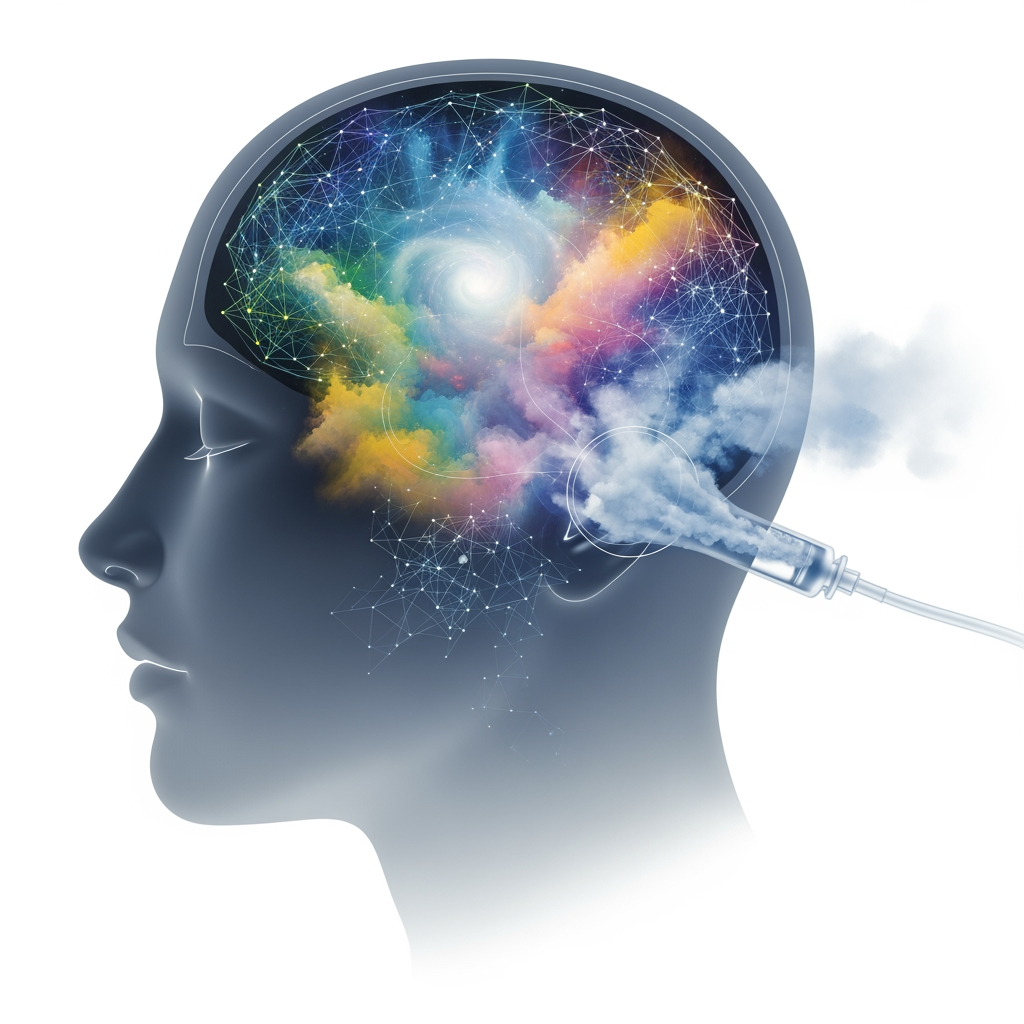
Doctors can render you completely unconscious, operate on your body, and wake you up hours later with no memory of the procedure. Remarkably, we still don't fully understand how anesthesia achieves this.
What We Know
General anesthetics produce four effects: unconsciousness, amnesia (no memory formation), analgesia (no pain), and immobility. Different drugs achieve these effects through different mechanisms, often combined for complete surgical anesthesia.
The Mystery
Unlike most drugs that target specific receptors, anesthetics affect brain function globally. Some enhance inhibitory signals. Others block excitatory ones. But why certain chemicals produce unconsciousness while others don't remains unclear.
Neural Disruption
Consciousness appears to require coordinated communication between brain regions. Anesthetics may disrupt these connections, fragmenting the brain's integrated activity. It's less like shutting off a light and more like cutting phone lines between departments.
The Depth of Anesthesia
Anesthesiologists continuously monitor and adjust drug levels throughout surgery. Too light, and patients might wake or remember. Too deep, and dangerous complications can occur. This delicate balance requires constant attention and expertise.
Waking Up
As drugs are metabolized or allowed to wear off, brain activity gradually reorganizes. The return of consciousness isn't instant—patients often pass through confused states before fully awakening. Memory formation resumes last.
This article was generated by AI to provide informational content.