We use it constantly but rarely think about what happens when we click a link. How does a request from your computer reach a server across the world and return in milliseconds?
Not a Cloud
The internet is physical—cables, servers, and switches. Undersea cables spanning oceans carry most international traffic. Data centers house millions of servers. The "cloud" runs on very tangible hardware.
Packet Switching
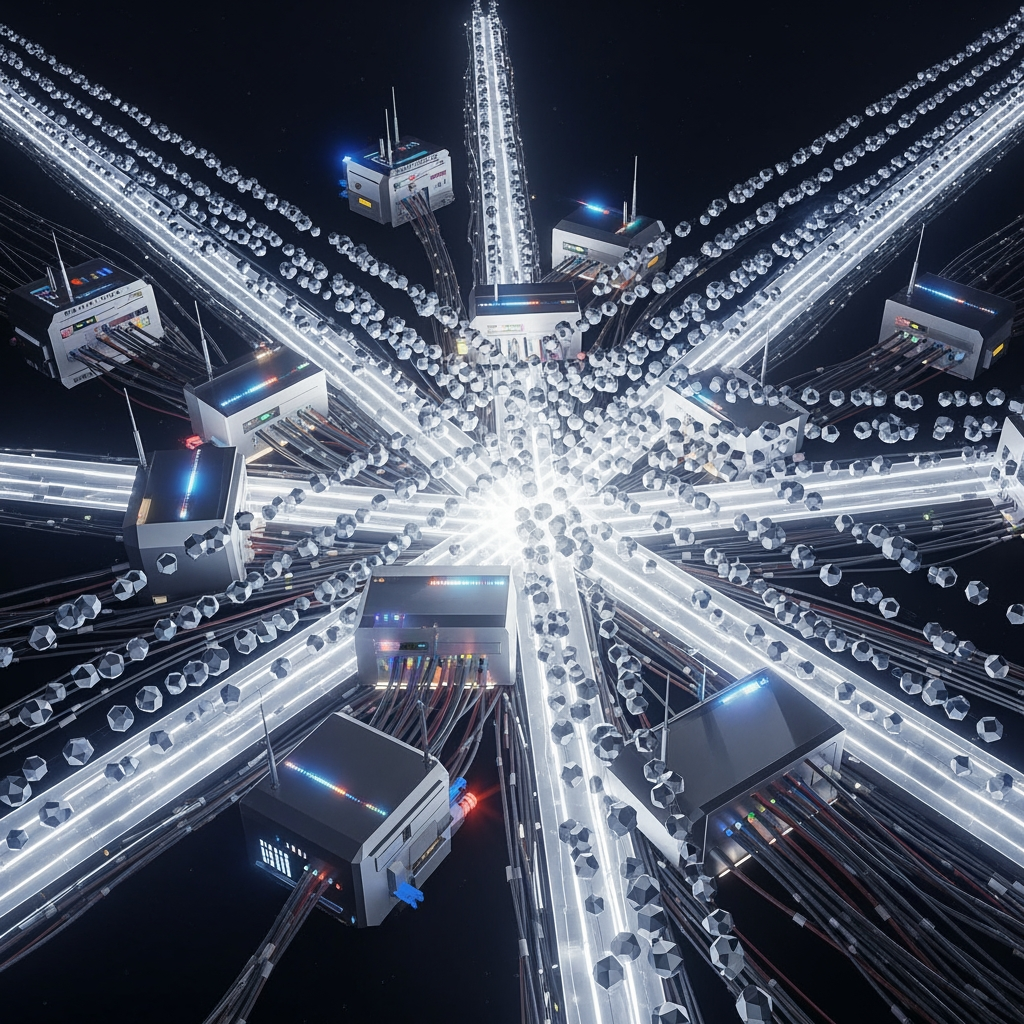
Your data doesn't travel as continuous streams. Instead, it's broken into packets, each labeled with source and destination. Packets may take different routes and arrive out of order, then get reassembled at the destination.
IP Addresses
Every device on the internet has a unique IP address. When you request a website, your request includes your IP address so the response knows where to return. Domain names are human-friendly translations of these numeric addresses.
The DNS System
Type "google.com" and your computer asks Domain Name System servers to translate this to an IP address. This lookup happens before any website request. It's like asking for a phone number before making a call.
Routing
Routers at each network junction examine packet labels and decide where to send them next. Each router only knows its immediate neighbors, yet packets find their way across the globe through these local decisions.
Protocols
Standardized protocols ensure all devices speak the same language. HTTP/HTTPS handles web traffic. TCP ensures reliable delivery. IP handles addressing. These layered protocols enable global interoperability.
This article was generated by AI to provide informational content.