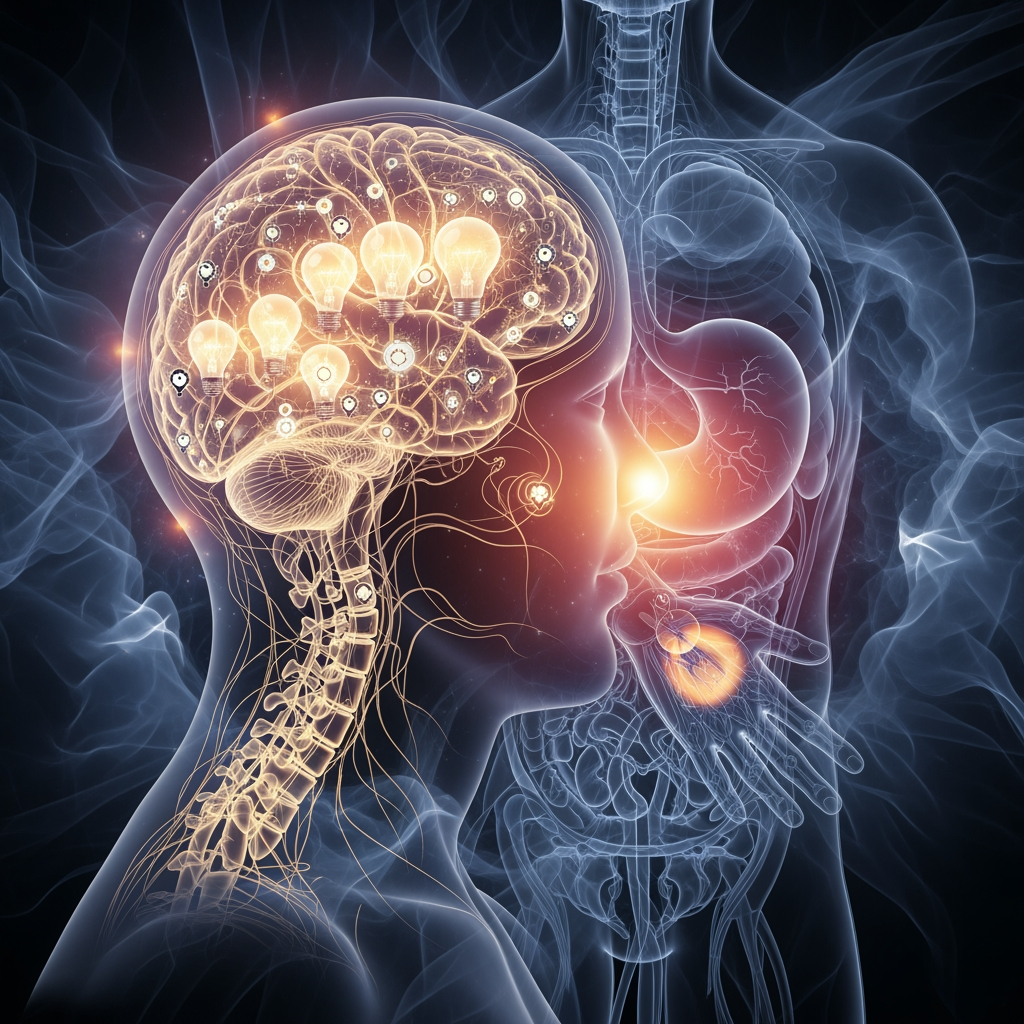
Sugar pills with no active ingredients can genuinely reduce pain, ease depression, and improve symptoms. The placebo effect isn't imaginary—it produces real, measurable changes in the body.
More Than Fake Medicine
Placebos don't just make people think they feel better. Brain scans show physical changes—altered pain processing, dopamine release, reduced inflammation markers. The body responds to the belief in treatment.
Expectation Matters
The strength of placebo effects correlates with expectation. Treatments presented as expensive work better than identical "cheap" ones. Pills work better than nothing, but injections work better than pills. More elaborate procedures amplify effects.
Conditioning Plays a Role
After repeatedly pairing a stimulus with an active drug, the stimulus alone can trigger similar responses. Your body learns to associate treatment rituals with relief and begins responding before any medicine takes effect.
Not Just Subjective
Placebo effects appear in objective measurements: immune function markers, hormone levels, brain activity patterns. Parkinson's patients given placebos show dopamine release similar to actual medication.
The Dark Side
Nocebo effects—negative expectations causing harm—are equally real. Patients warned about side effects experience them more often, even with placebos. This presents ethical challenges in informed consent.
Using Placebos Ethically
Some researchers advocate "open-label" placebos—telling patients they're receiving placebos while explaining that placebos often work. Surprisingly, this approach still produces benefits in some conditions.
This article was generated by AI to provide informational content.