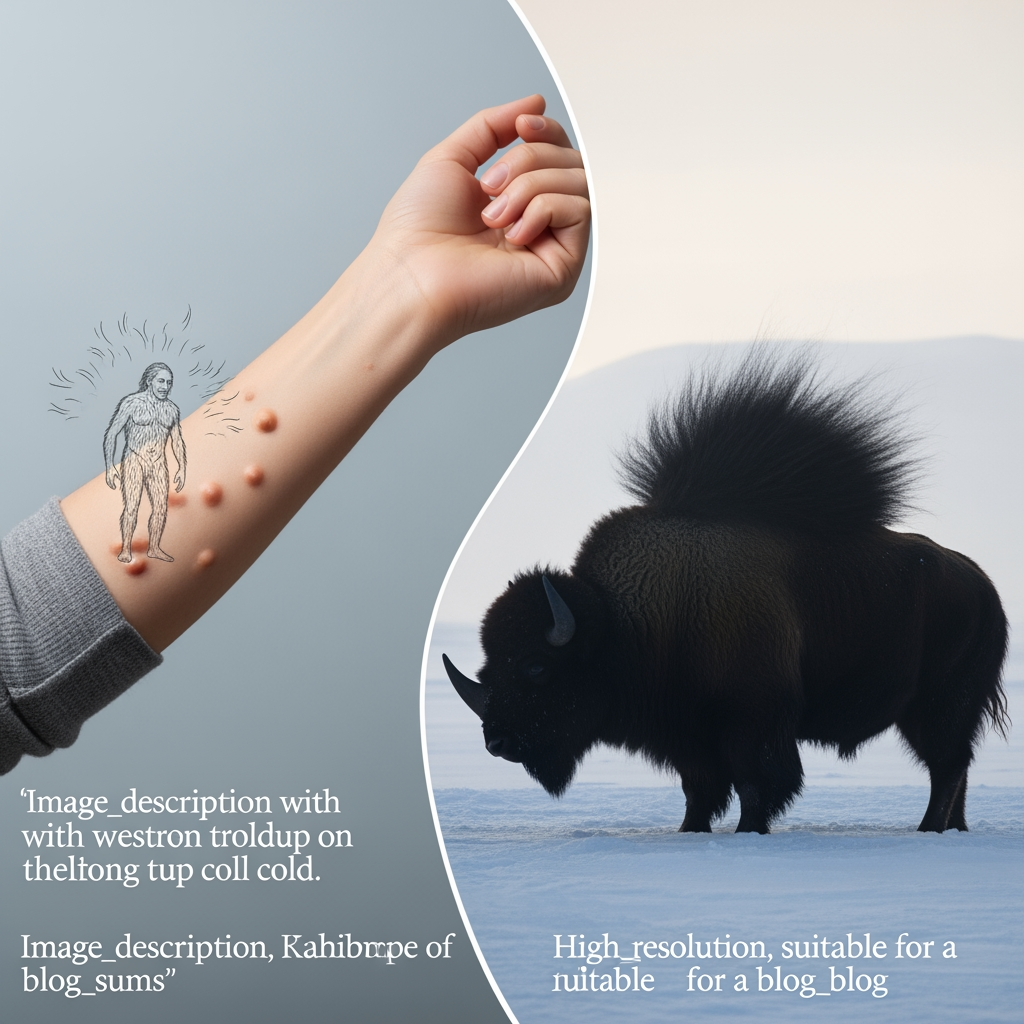
Cold air or a spine-tingling story and suddenly your skin prickles with tiny bumps. This involuntary response served our ancestors better than it serves us—a reminder of our furrier evolutionary past.
The Mechanism
Tiny muscles called arrector pili attach to each hair follicle. When these muscles contract, they pull hair upright and create the characteristic bumps in the skin around each follicle.
The Cold Response
In furry animals, raised hair traps air against the skin, creating insulation against cold. Though human body hair is too fine to provide meaningful insulation, the reflex persists. We've kept the mechanism but lost the fur it was designed for.
The Fear Response
Goosebumps also occur during strong emotions—fear, awe, or excitement. In furry animals, raised hair makes them appear larger to predators or rivals. Think of a frightened cat puffing up. Again, the response continues in relatively hairless humans.
The Musical Chill
Emotionally powerful music often triggers goosebumps. This response connects to the same brain regions processing intense emotions. Not everyone experiences musical chills equally—susceptibility varies between individuals.
Vestigial but Not Useless
Though goosebumps don't warm us or make us look bigger, the underlying muscle contractions may have other effects. Some researchers suggest the movement stimulates hair follicle stem cells, potentially promoting hair growth.
This article was generated by AI to provide informational content.