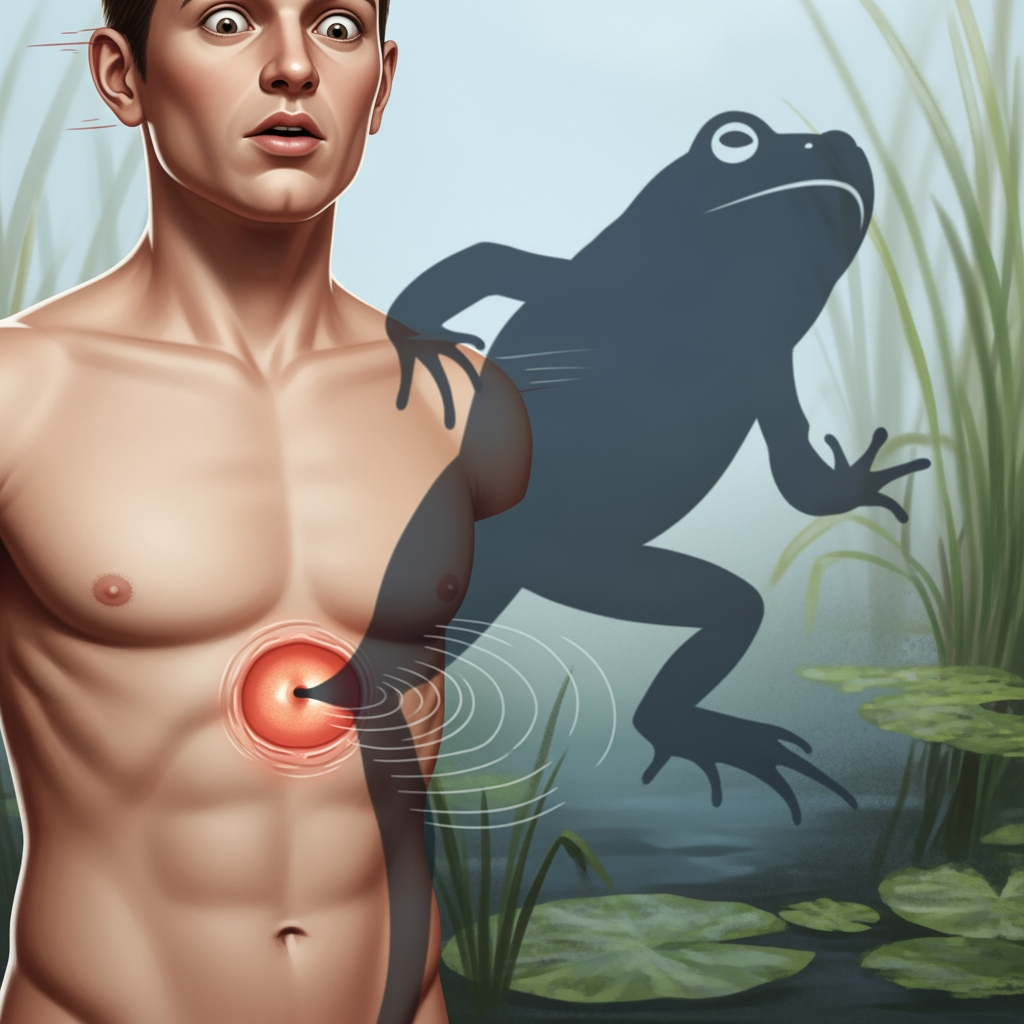
Hiccups strike without warning and often refuse to leave. These involuntary spasms seem pointless and annoying. What causes them, and why do humans hiccup at all?
The Physical Mechanism
Hiccups begin with sudden, involuntary contraction of the diaphragm—the dome-shaped muscle below your lungs. This contraction pulls air rapidly into your lungs. About 35 milliseconds later, your vocal cords snap shut, creating the characteristic "hic" sound.
Common Triggers
Eating too quickly, swallowing air, drinking carbonated beverages, sudden temperature changes in the stomach, and emotional stress all trigger hiccups. Anything irritating the diaphragm or the nerves controlling it can start the cycle.
An Evolutionary Mystery
Hiccups serve no obvious purpose in adults. One theory suggests they're leftover from our amphibian ancestors—tadpoles use similar movements to pump water over their gills. Another proposes hiccups help infants burp, clearing air from milk-filled stomachs.
Why They're Hard to Stop
Hiccups involve a reflex arc that bypasses conscious control. Once triggered, the pattern can be self-reinforcing. This explains why distractions and sudden surprises sometimes work—they interrupt the neural pattern.
When to Worry
Most hiccups resolve within minutes to hours. Hiccups lasting over 48 hours require medical attention. Persistent hiccups can indicate underlying conditions affecting the nerves or brain regions controlling the diaphragm.
This article was generated by AI to provide informational content.