Your blood type determines who you can donate to and receive from. But why do these different types exist at all? The answer involves ancient infections and evolutionary tradeoffs.
What Blood Types Are
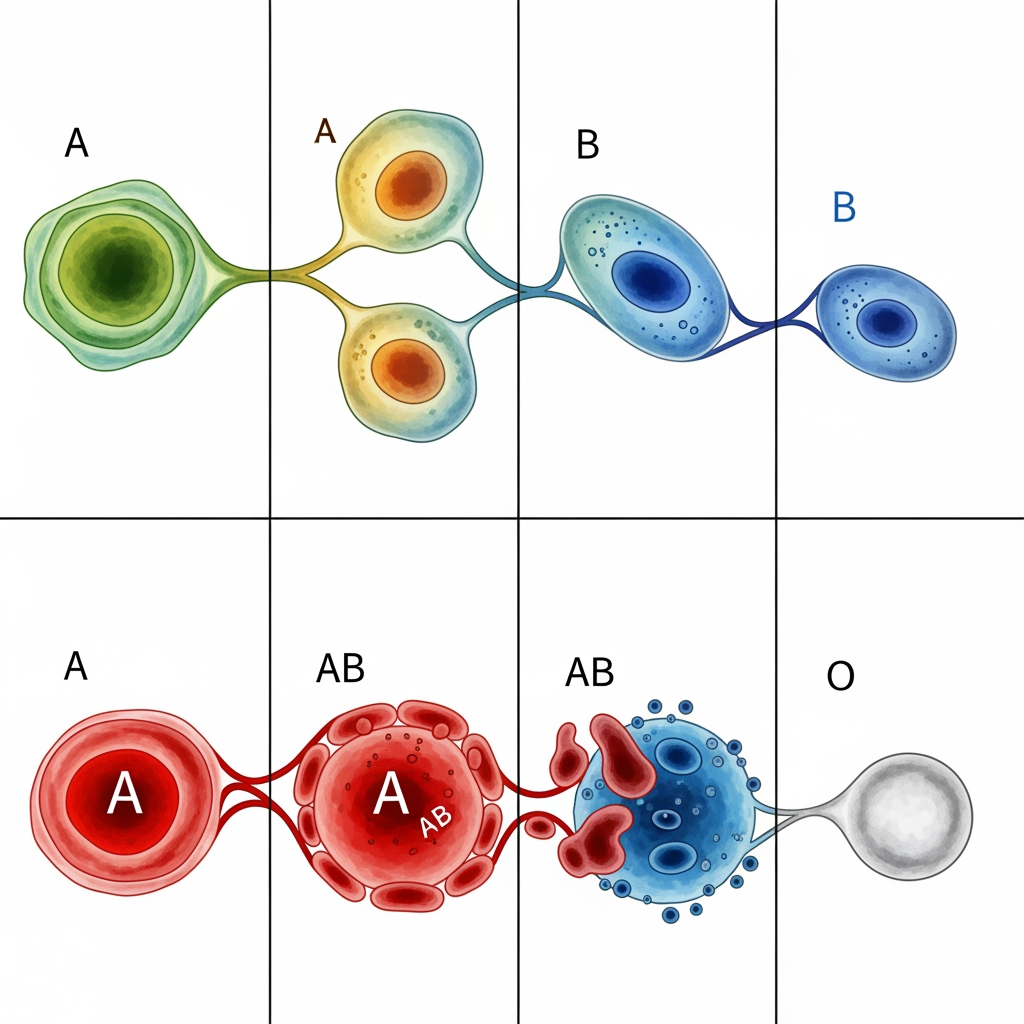
Blood types refer to antigens—molecules on red blood cell surfaces. Type A has A antigens, Type B has B antigens, AB has both, O has neither. Your immune system produces antibodies against antigens you lack.
Evolutionary Origins
The A, B, and O variants emerged millions of years ago—before humans split from other apes. Maintaining this diversity for so long suggests it provides survival advantages.
Disease Resistance
Different blood types show different susceptibility to various diseases. Type O individuals resist severe malaria better but may be more susceptible to cholera. Type A individuals face higher COVID-19 risks but may resist certain other infections.
The Rh Factor
The positive or negative in your blood type refers to the Rh factor—another antigen system. Rh-negative blood is rare and possibly provided advantages against certain parasites. Rh incompatibility between mother and fetus can cause complications.
Why Diversity Persists
If one blood type were universally best, others would have disappeared through natural selection. The persistence of all types suggests each provides advantages in different circumstances—a form of evolutionary bet-hedging.
Geographic Distribution
Blood type frequencies vary by population. Type B is more common in Asia, Type O in South America. These patterns may reflect historical disease pressures that favored different types in different regions.
This article was generated by AI to provide informational content.