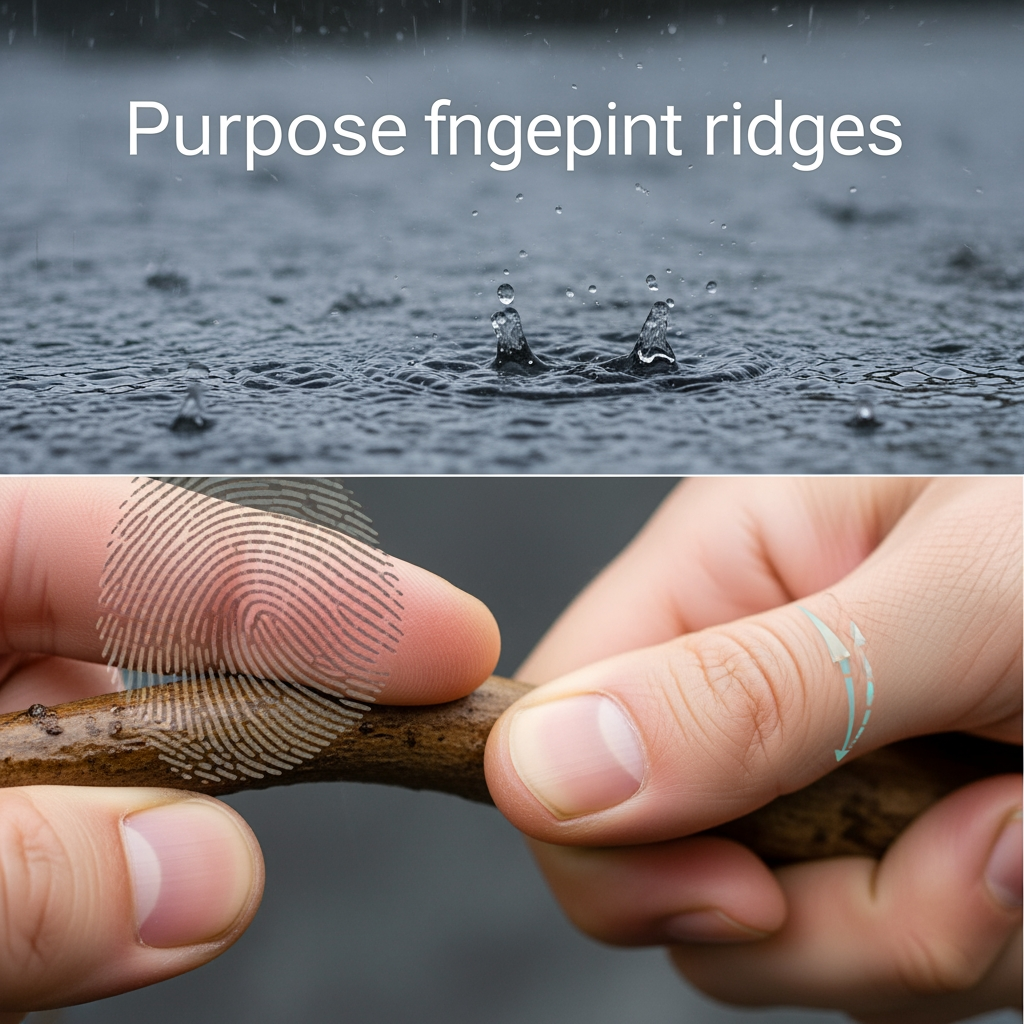
Every human has unique fingerprint patterns—even identical twins differ. These distinctive ridges serve purposes beyond police identification, though scientists still debate exactly why they evolved.
The Grip Theory
The most common explanation suggests fingerprints improve grip, like tire treads. The ridges channel away moisture and increase friction on smooth surfaces. This would have helped our ancestors grasp tools and climb trees.
The Sensitivity Theory
Another theory proposes fingerprints enhance touch sensitivity. The ridges concentrate forces onto nerve endings beneath, amplifying tactile information. Studies show fingerprints improve texture discrimination.
Uniqueness Mystery
Why fingerprints are unique remains puzzling. The patterns form through complex interactions between genetics and random pressures in the womb. Even identical twins developing in slightly different positions end up with different prints.
Pattern Types
All fingerprints fall into three categories: loops (60-70% of people), whorls (25-35%), and arches (5%). Within these categories, the specific arrangement of ridges is unique to each finger of each person.
Permanent and Unchanging
Fingerprints form before birth and remain unchanged for life. Surface damage heals with the same pattern intact. Only deep injury that destroys the dermis layer can permanently alter fingerprints.
Other Animals
Koalas have fingerprints nearly indistinguishable from human ones—an example of convergent evolution. Chimpanzees and gorillas also have unique prints, suggesting the trait serves important functions for primates.
This article was generated by AI to provide informational content.