💬 Explained
What Makes Thunderstorms So Loud?
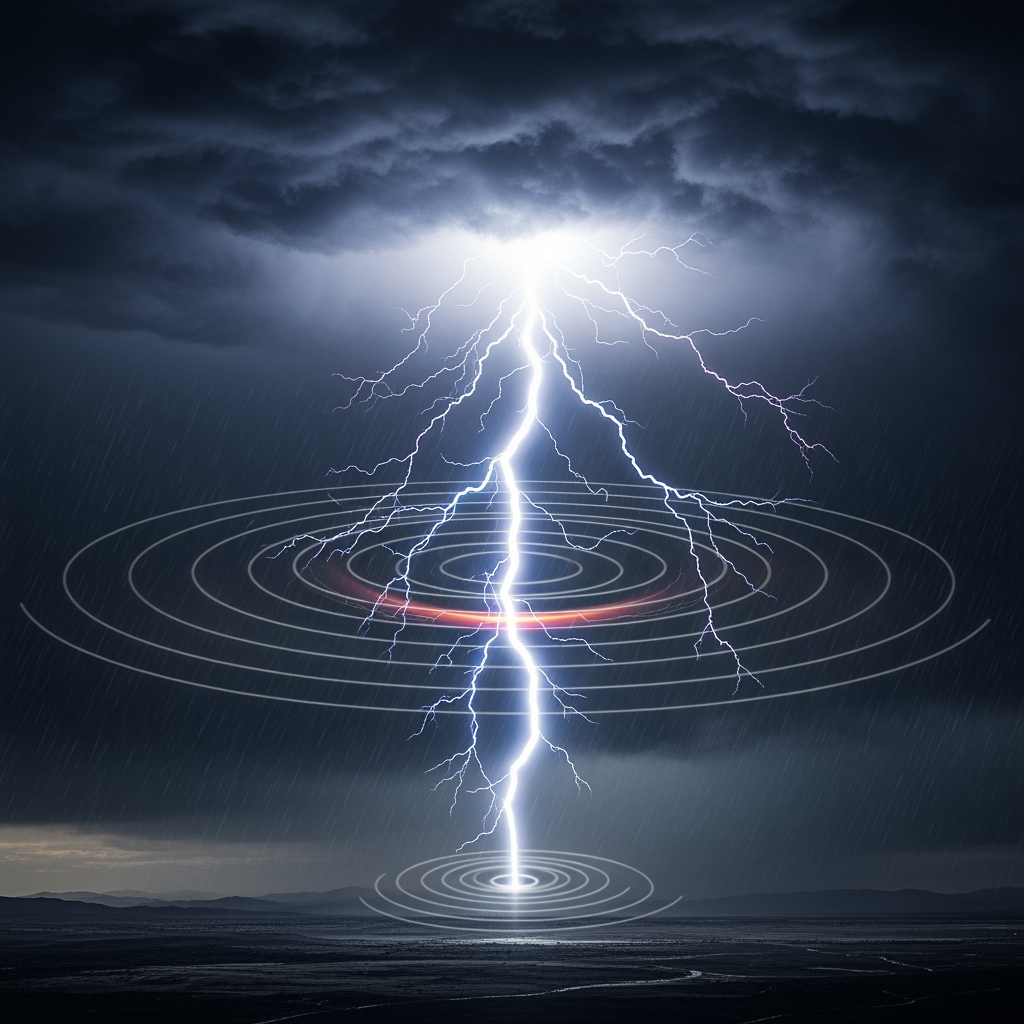
Thunder's incredible volume comes from lightning superheating air to five times the sun's surface temperature, creating explosive shockwaves.
Published: February 09, 2026
Why Does Salt Melt Ice?
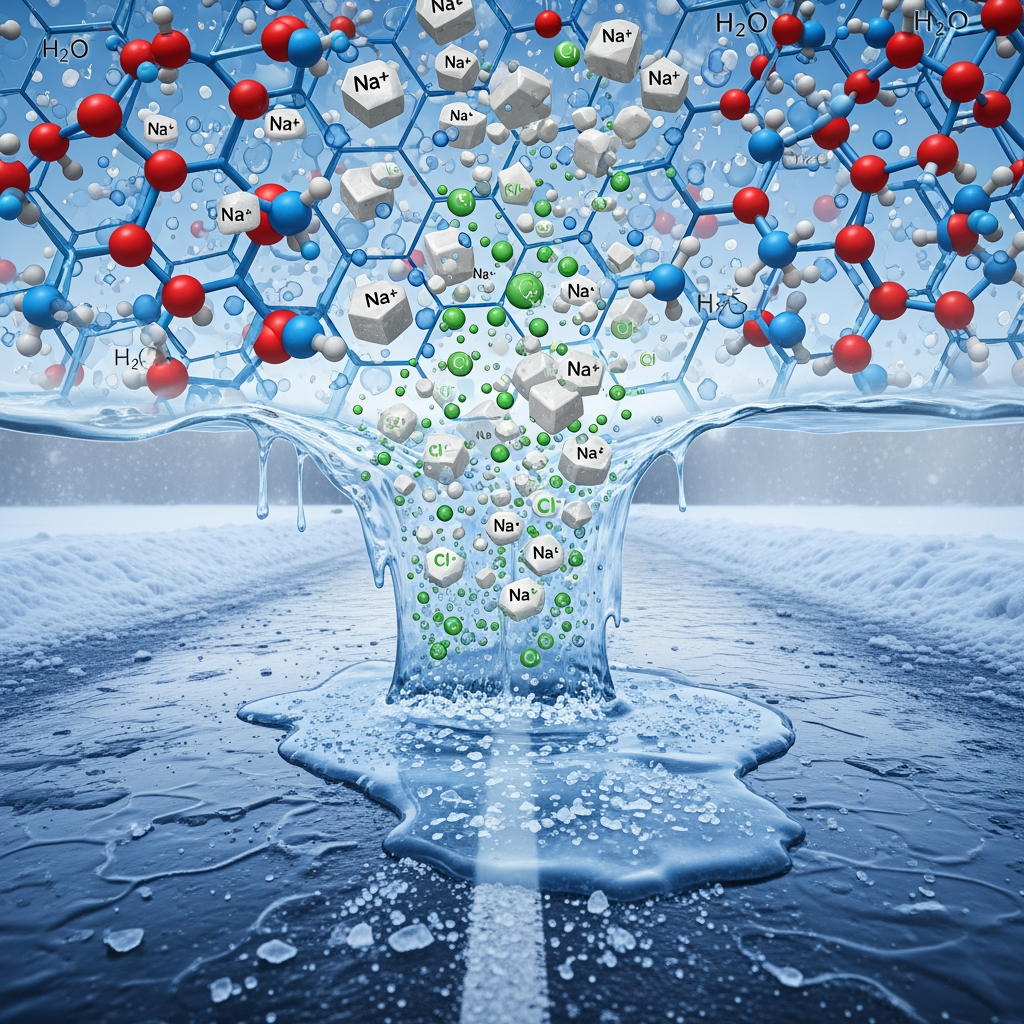
Salt doesn't generate heat—it lowers water's freezing point through a process called freezing point depression, disrupting ice formation.
Published: February 02, 2026
What Causes Static Electricity?
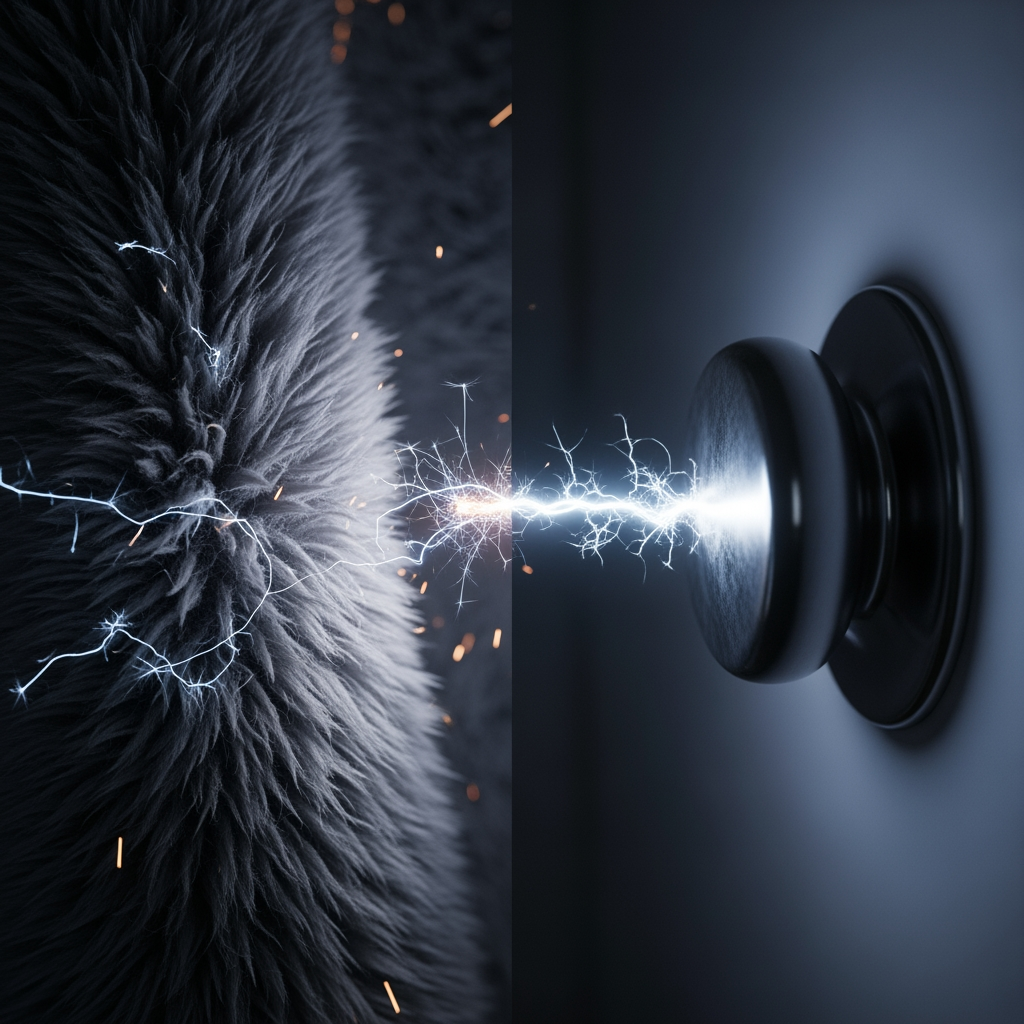
Static electricity results from electron transfer between materials. The spark you feel is built-up charge overcoming air's insulating properties.
Published: January 28, 2026
Why Do Leaves Change Color In Fall?
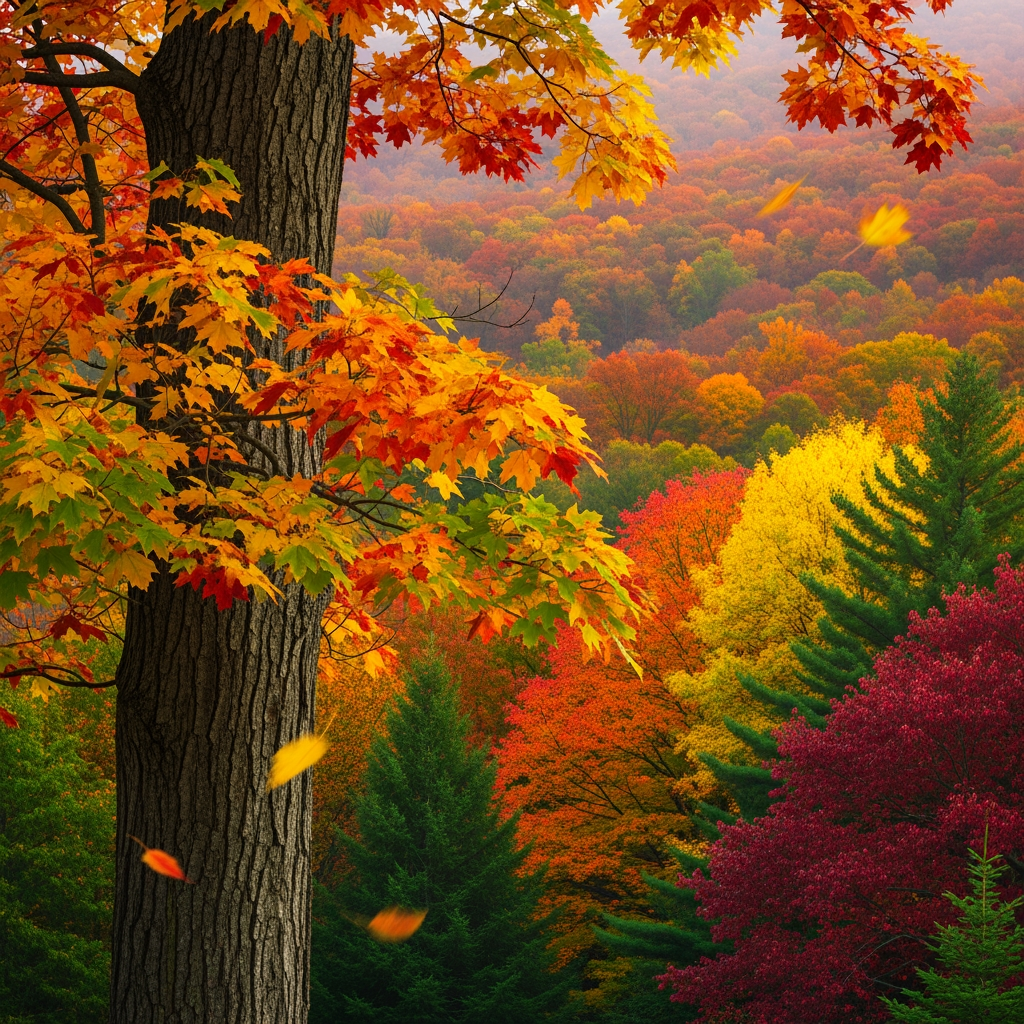
Fall colors emerge as chlorophyll breaks down, revealing hidden pigments and triggering production of new ones as trees prepare for winter.
Published: January 22, 2026
Why Do Stars Twinkle?
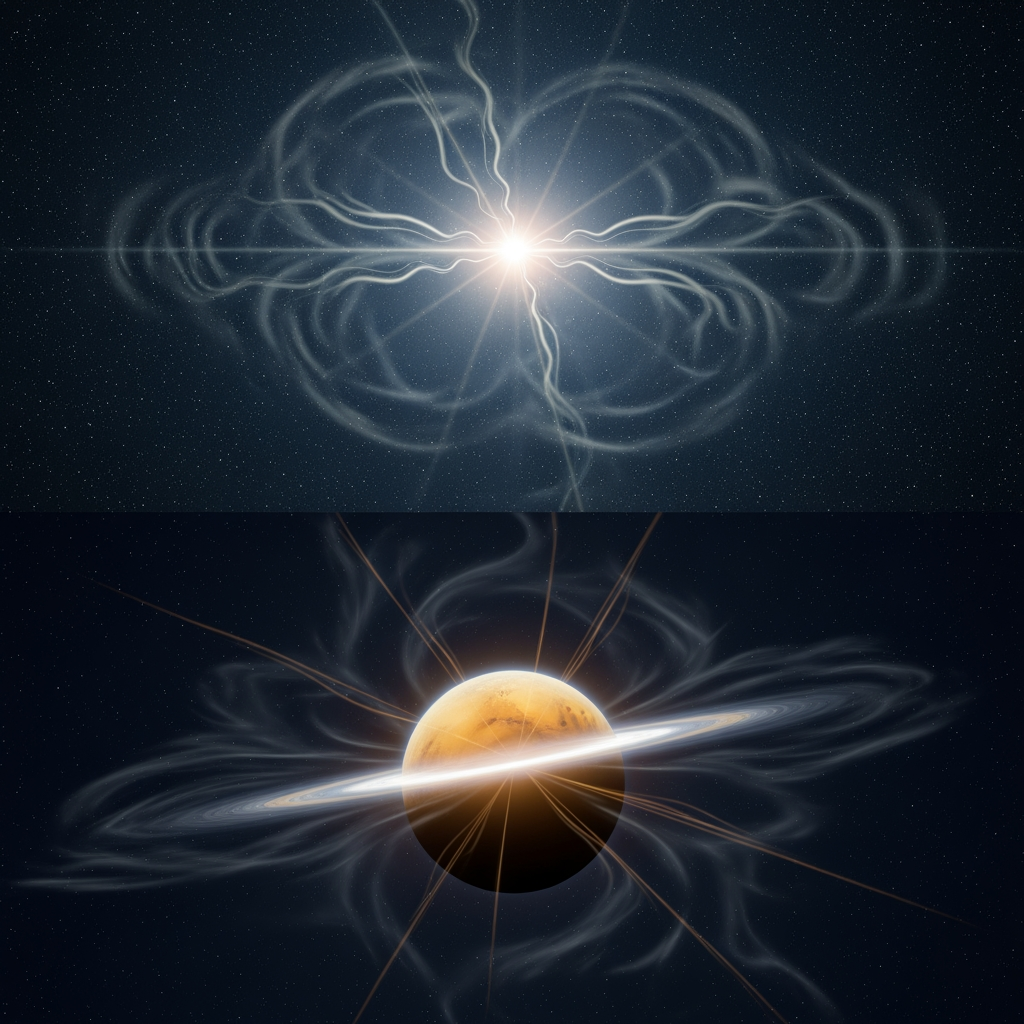
Stars twinkle because Earth's turbulent atmosphere bends their pinpoint light in constantly shifting ways. Planets appear steadier because they're closer.
Published: January 11, 2026
What Causes The Northern Lights?
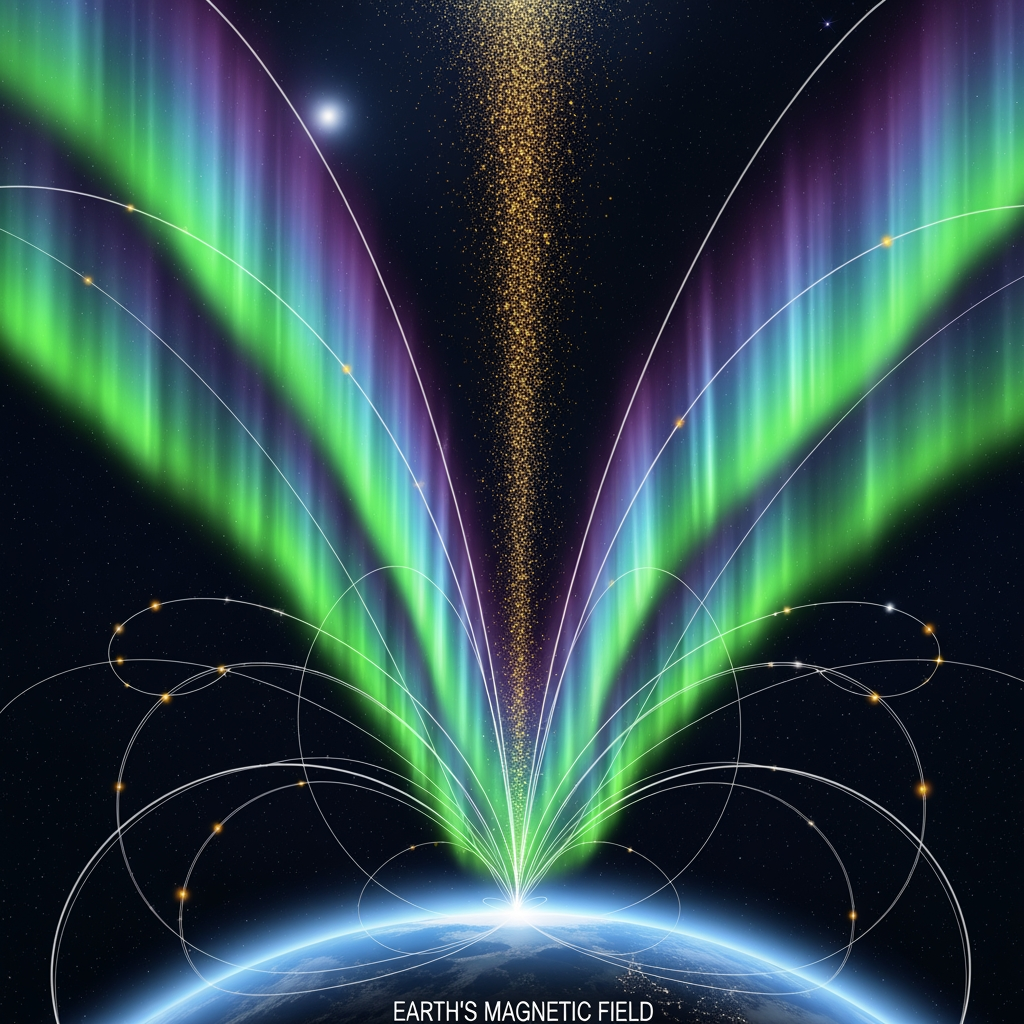
Auroras form when charged particles from the sun excite atmospheric gases at the poles, releasing energy as spectacular displays of colorful light.
Published: January 03, 2026
Why Do Onions Make You Cry?
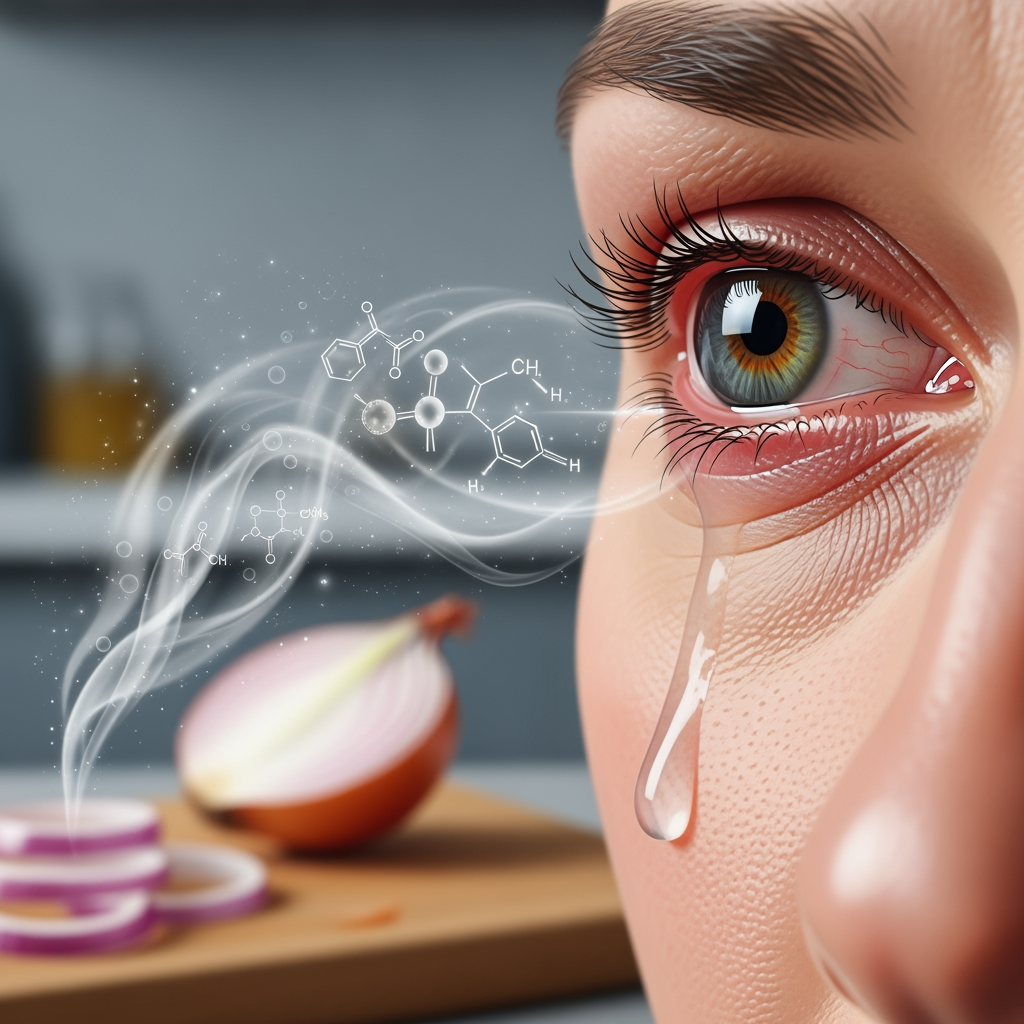
Cutting onions releases compounds that form sulfuric acid in your eyes. The tears are your body's defense against this evolved chemical weapon.
Published: December 22, 2025
What Happens When You Hold Your Breath?
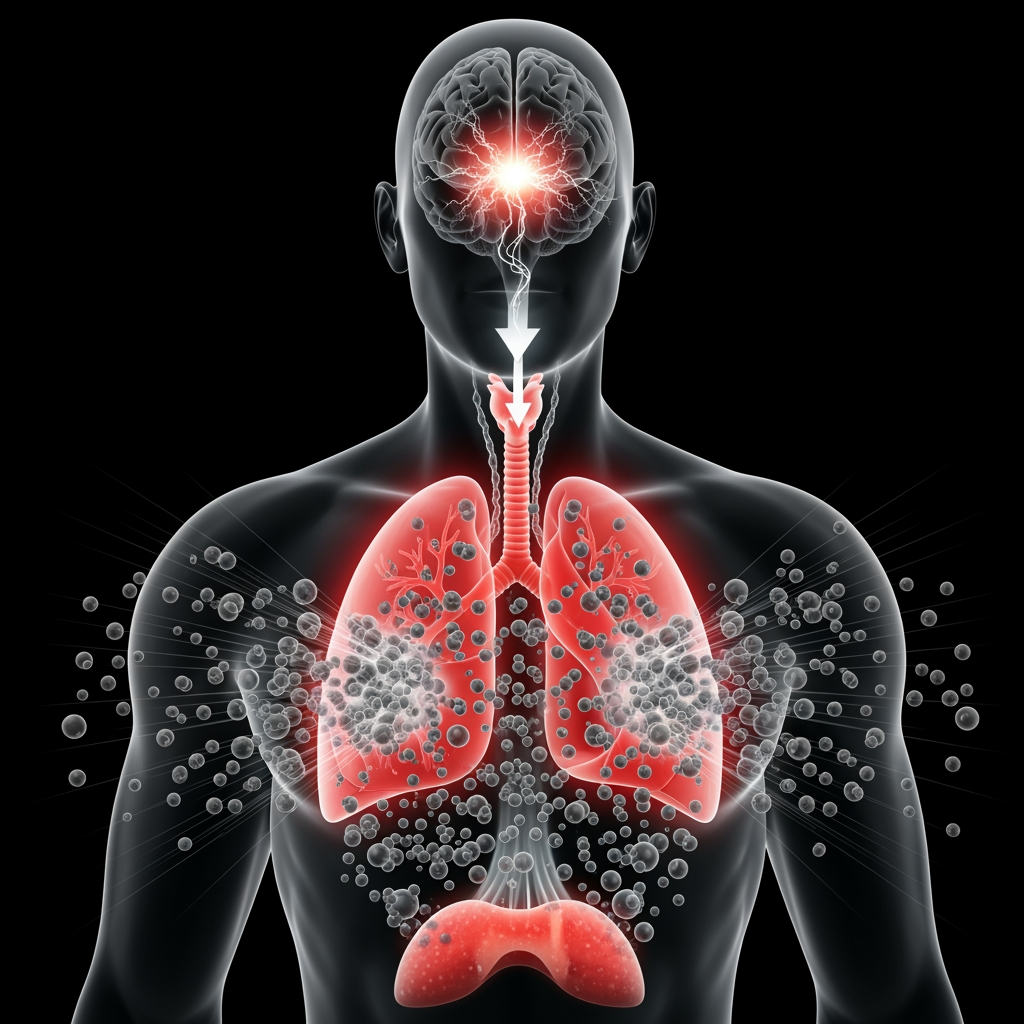
The urge to breathe comes from CO2 buildup, not oxygen depletion. Your body has protective reflexes that eventually override voluntary breath-holding.
Published: December 11, 2025
Why Do We Get Goosebumps?
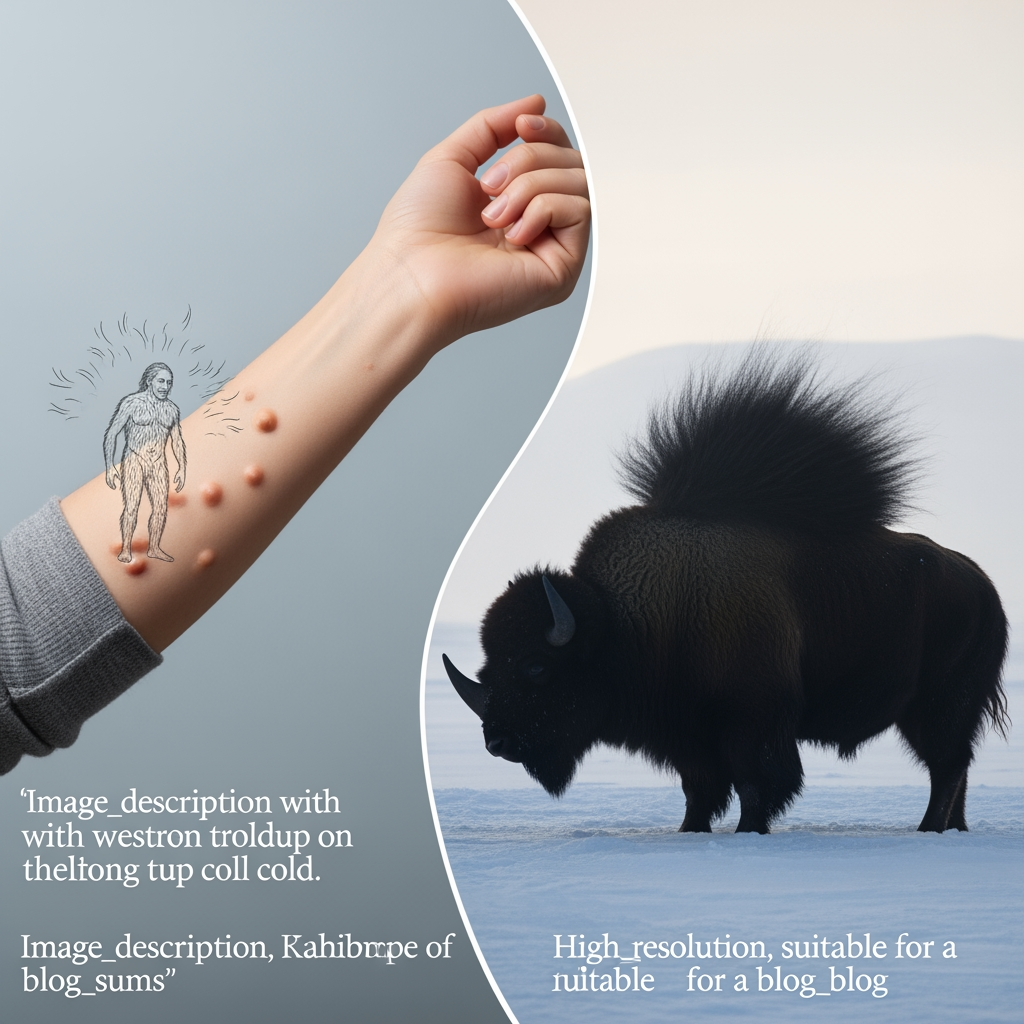
Goosebumps are a vestigial reflex from when our ancestors had enough fur for it to matter—raising hair for insulation or appearing larger.
Published: December 05, 2025
What Makes Spicy Food Feel Hot?
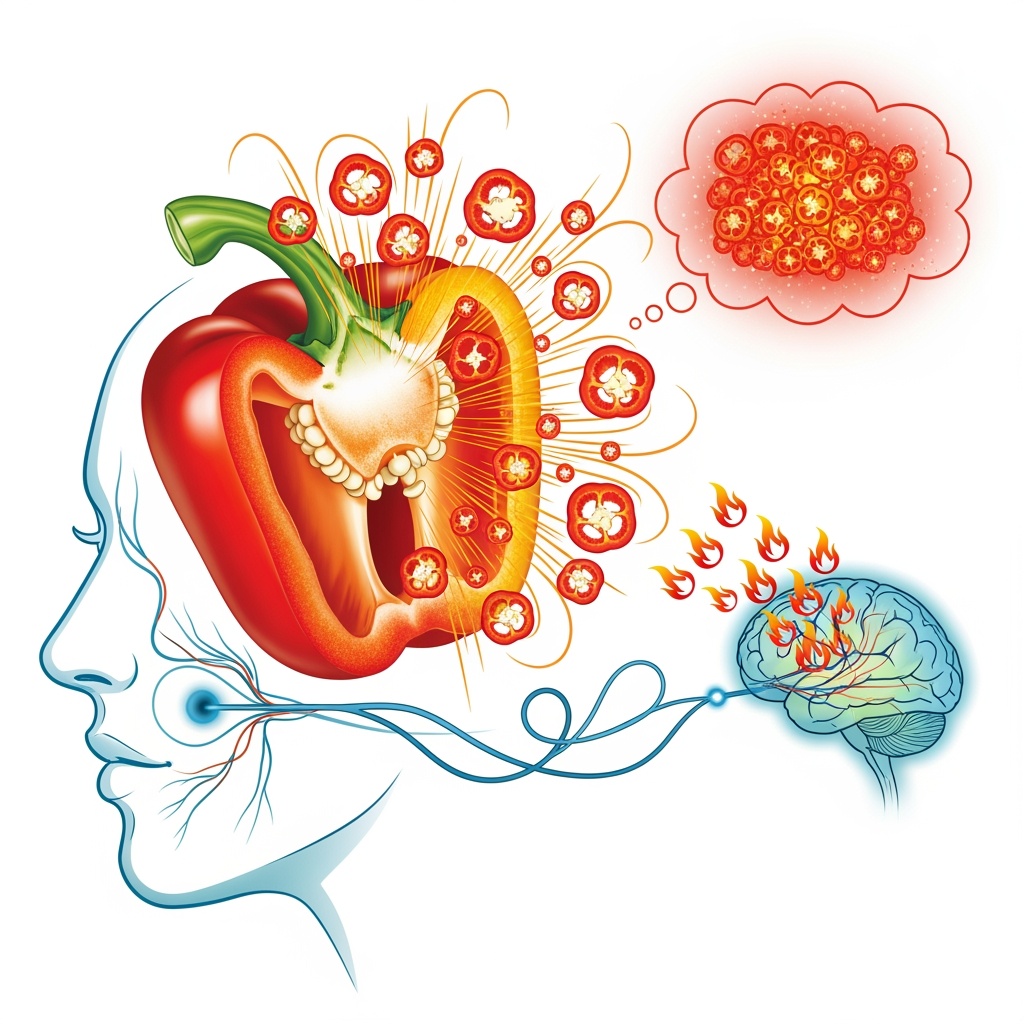
Capsaicin in peppers tricks heat receptors into firing, creating the sensation of burning without actual temperature change. Your brain can't tell the difference.
Published: November 25, 2025
Why Is Ice Slippery?
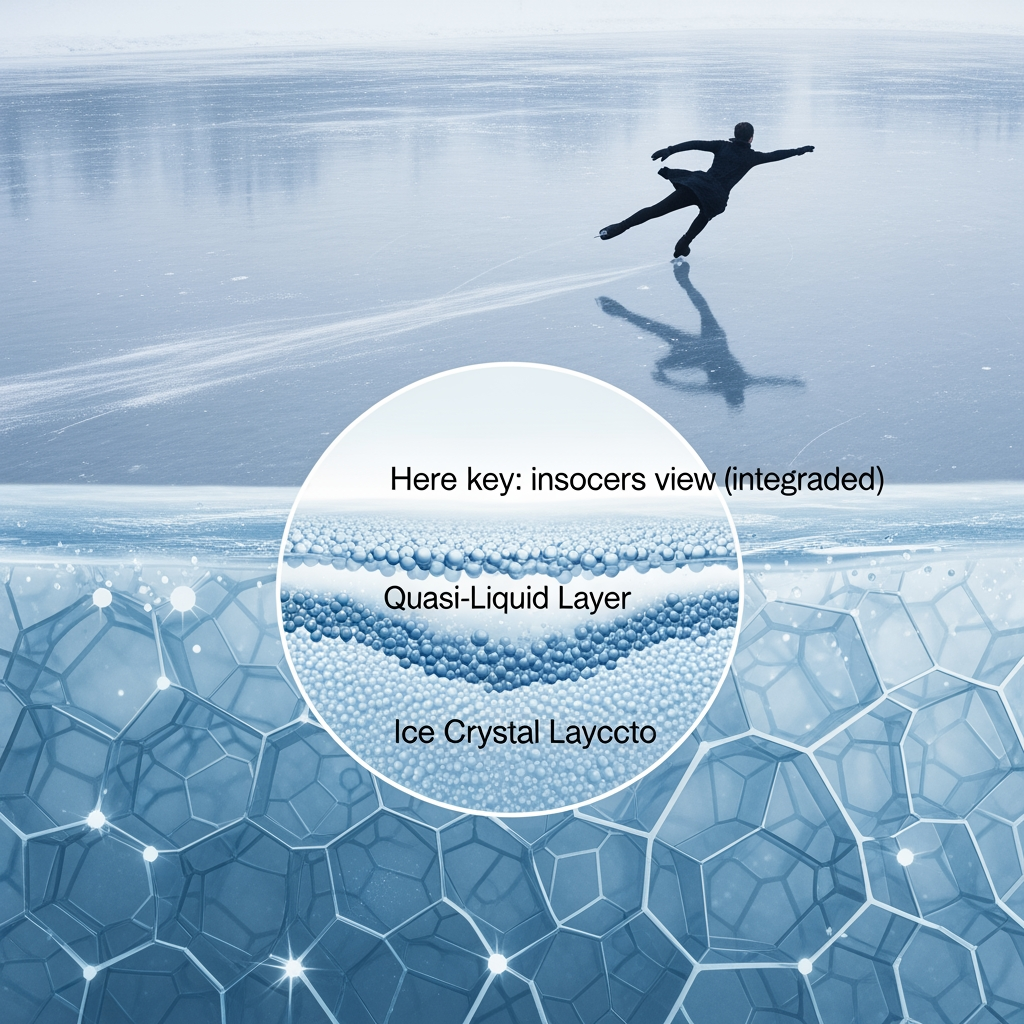
Ice is slippery because its surface molecules form a quasi-liquid layer even below freezing. The complete explanation is still being researched.
Published: November 20, 2025